Showing posts with label Foods. Show all posts

Friday, 21 October 2011

  9 Best Edible Natural Oil Around the World
 
Gone are the days when all you had to do was choose between sunflower or olive oil. Now it seems you can by the oil from just about every plant, nut or seed out there but should we be adding them to our stir fries or drizzling them over our salads? Lets Find out...


Top rated - rapeseed oil

Rapeseed oil contains omegas 3, 6 and 9, essential fatty acids so it's great for heart health, brain health and joint mobility. It is also a rich, natural source of vitamin E � essential for healthy skin and a strong immune system. High in mono-unsaturated fats and with less than half the cholesterol raising, saturated fats of olive oil it is one of the few natural oils that can be heated to deep-frying temperature without its antioxidants, character, colour and flavour spoiling. In short, one of the best oils there is and what's more � some of the very best rapeseed oils are produced right here in Britain.
Best all rounder - olive oil

Olive oil is a great source of heart protecting, cholesterol lowering, monounsaturated fat as well as free radical fighting antioxidants known to protect the body against premature aging and cancer. It can be used to cook with up to temperatures of 180 degrees and is mild enough in flavour to be used with most dishes. However, extra virgin olive oil (the oil that is extracted from the first press) is not quite so stable so it is best used cold.
Best for tight budgets - sunflower oil


Cheap, easy to find and a great source of the free radical fighting antioxidant - vitamin E. In fact, just 1-2 tablespoons contains all your daily requirement. It is also a good source of cholesterol reducing omega 6 polyunsaturates. However, it contains very few omega 3's so if you use sunflower oil regularly, you need to be sure you're getting enough omega 3s in your diet from other sources to balance things out. A chemically stable oil, it is suitable for deep-frying but don't be tempted to re-use the oil more than a couple of times as re-heating it to high temperatures can result in the formation of trans fatty acids known to raise cholesterol and increase the incidence of some cancers.
Best for high temperatures - groundnut oil
 

Ground nut oil � sometimes called peanut oil has a high smoking point making it ideal roasting, making Yorkshire puddings or frying. It is an excellent all-rounder and has a very neutral, light flavour perfect for use in oriental dishes that often combine quite delicate flavours. Do be careful though as this oil is made from peanuts so anyone with a nut allergy should steer well clear.
Best for adding flavour - sesame oil
 

Another great source of cholesterol lowering omega 6 fatty acids light sesame oil can be used for deep frying and the dark or heavy sesame oil (made from roasted sesame seeds) adds a delicious rich flavour to stir-fried meats or vegetables. Used a lot in oriental dishes it's rich flavour works as a seasoning in itself.

Best for rice dishes - avocado oil

Avocado oil has very little if any omega three fatty acids but it is a great source of monounsaturated fats and is also rich in skin enhancing vitamin E. It has a slightly nutty flavour that is delicious drizzled over salads or rice dishes. However, it can also be used to cook with as it has a higher smoking point than many oils so it's fine to grill, saut� or stir-fry with it.

Best oils for dressings and dipping - walnut oil
 

A delicious, aromatic, nutty oil that is a good source of omega three fatty acids and tastes delicious (used as a dip along side a good balsamic vinegar) as a dip for freshly torn, warm breads for warm breads. It's also great for drizzling over salads and risottos and goes really well with white fish, meat, mozzarella and goat's cheese. However, this oil tends to become bitter when cooked and can go off very quickly so buy in small quantities and store in a cool, dark place.

Best for vegetarians - linseed oil
 

Linseed oil is a much richer source of omega 3 than any other oil and a great choice for strict vegetarians who need to get omega 3 fatty acids solely from plant foods. Omega three fatty acids help to lower the risk of heart disease and stroke, increase concentration (particularly in children), alleviate the symptoms of inflammatory conditions such as rheumatoid arthritis and they may also help prevent Alzheimer's. Linseed oil however, is not suitable for cooking as heat can make it taste bitter and it can quickly become rancid if it is not stored correctly (in a cool dark place). Studies show that if this happens the benefits are negated and possibly reversed.
Best for drizzling - hazelnut oil
 

Hazelnut oil is a great source of Vitamin E which helps to maintain a heart health, good skin, a healthy reproductive system and a strong immune system. Fairly pricey and not so readily available as many other oils it is worth seeking out either from your local health food store or on line to drizzle over salads, rice dishes or fresh pasta adding a delicious, subtle, nutty flavour.

Best Edible Natural Oil Around the World

Friday, 7 October 2011

Creative Food

Thursday, 29 September 2011


Few things feel more terrifying and random than a stroke, which can strike without warning. And fear of stroke -- when a blood vessel in or leading to the brain bursts or is blocked by a blood clot, starving brain cells of oxygen and nutrients -- is well founded. After all, stroke is the number-three killer in the U.S., affecting more than 700,000 people each year. Here are five foods that cause the damage that leads to stroke.


01. Crackers, chips, and store-bought pastries and baked goods
Muffins, doughnuts, chips, crackers, and many other baked goods are high in trans fats, which are hydrogenated oils popular with commercial bakeries because they stay solid at room temperature, so the products don't require refrigeration. Also listed on labels as "partially hydrogenated" or hydrogenated oils, trans fats are found in all kinds of snack foods, frozen foods, and baked goods, including salad dressings, microwave popcorn, stuffing mixes, frozen tater tots and French fries, cake mixes, and whipped toppings. They're also what makes margarine stay in a solid cube. The worst offenders are fried fast foods such as onion rings, French fries, and fried chicken.
Why it's bad

For years scientists have known trans fats are dangerous artery-blockers, upping the concentrations of lipids and bad cholesterol in the blood and lowering good cholesterol. Now we can add stroke to the list of dangers. This year researchers at the University of North Carolina found that women who ate 7 grams of trans fat each day -- about the amount in two doughnuts or half a serving of French fries -- had 30 percent more strokes (the ischemic type, caused by blocked blood flow to the brain) than women who ate just 1 gram a day. Another recent study, also in women, found that trans fats promoted inflammation and higher levels of C-reactive protein, which have been linked to an increased risk of diabetes, heart disease, and stroke.
What to do

Aim to limit trans fats to no more than 1 or 2 grams a day -- and preferably none. Avoid fast-food French fries and other fried menu items and study packaged food labels closely. Even better, bake your own cookies, cakes, and other snacks. When you can't, search out "health-food" alternative snacks, such as Terra brand potato chips and traditional whole grain crackers such as those made by Finn, Wasa, AkMak, Ryvita, and Lavasch.


02. Smoked and processed meats
Whether your weakness is pastrami, sausage, hot dogs, bacon, or a smoked turkey sandwich, the word from the experts is: Watch out.
Why it's bad

Smoked and processed meats are nasty contributors to stroke risk in two ways: The preserving processes leave them packed with sodium, but even worse are the preservatives used to keep processed meats from going bad. Sodium nitrate and nitrite have been shown by researchers to directly damage blood vessels, causing arteries to harden and narrow. And of course damaged, overly narrow blood vessels are exactly what you don't want if you fear stroke.

Many studies have linked processed meats to coronary artery disease (CAD); one meta-analysis in the journal Circulation calculated a 42-percent increase in coronary heart disease for those who eat one serving of processed meat a day. Stroke is not the only concern for salami fans; cancer journals have reported numerous studies in the past few years showing that consumption of cured and smoked meats is linked with increased risk of diabetes and higher incidences of numerous types of cancer, including leukemia.
What to do

If a smoked turkey or ham sandwich is your lunch of choice, try to vary your diet, switching to tuna, peanut butter, or other choices several days a week. Or cook turkey and chicken yourself and slice it thin for sandwiches.

How to Tell if Someone Is Having a Stroke


03. Diet soda
Although replacing sugary drinks with diet soda seems like a smart solution for keeping weight down -- a heart-healthy goal -- it turns out diet soda is likely a major bad guy when it comes to stroke.
Why it's bad

People who drink a diet soda a day may up their stroke risk by 48 percent. A Columbia University study presented at the American Stroke Association's 2011 International Stroke Conference followed 2,500 people ages 40 and older and found that daily diet soda drinkers had 60 percent more strokes, heart attacks, and coronary artery disease than those who didn't drink diet soda. Researchers don't know exactly how diet soda ups stroke risk -- and are following up with further studies -- but nutritionists are cautioning anyone concerned about stroke to cut out diet soda pop.
What to do

Substitute more water for soda in your daily diet. It's the healthiest thirst-quencher by far, researchers say. If you don't like water, try lemonade, iced tea, or juice.


04. Red meat
This winter, when the respected journal Stroke published a study showing that women who consumed a large portion of red meat each day had a 42-percent higher incidence of stroke, it got nutrition experts talking. The information that red meat, with its high saturated fat content, isn't healthy for those looking to prevent heart disease and stroke wasn't exactly news. But the percentage increase (almost 50 percent!) was both startling and solid; the researchers arrived at their finding after following 35,000 Swedish women for ten years.
Why it's bad

Researchers have long known that the saturated fat in red meat raises the risk of stroke and heart disease by gradually clogging arteries with a buildup of protein plaques. Now it turns out that hemoglobin, the ingredient that gives red meat its high iron content, may pose a specific danger when it comes to stroke. Researchers are investigating whether blood becomes thicker and more viscous as a result of the consumption of so-called heme iron, specifically upping the chance of strokes.
What to do

Aim to substitute more poultry -- particularly white meat -- and fish, which are low in heme iron, for red meat. Also, choose the heart-healthiest sources of protein whenever you can, especially beans, legumes, nuts, tofu, and nonfat dairy.


05. Canned soup and prepared foods
Whether it's canned soup, canned spaghetti, or healthy-sounding frozen dinners, prepared foods and mixes rely on sodium to increase flavor and make processed foods taste fresher. Canned soup is cited by nutritionists as the worst offender; one can of canned chicken noodle soup contains more than 1,100 mg of sodium, while many other varieties, from clam chowder to simple tomato, have between 450 and 800 mg per serving. Compare that to the American Heart and Stroke Association's recommendation of less than1,500 mg of sodium daily and you'll see the problem. In fact, a nutritionist-led campaign, the National Salt Reduction Initiative, calls on food companies to reduce the salt content in canned soup and other products by 20 percent in the next two years.
Why it's bad

Salt, or sodium as it's called on food labels, directly affects stroke risk. In one recent study, people who consumed more than 4,000 mg of sodium daily had more than double the risk of stroke compared to those who ate 2,000 mg or less. Yet the Centers for Disease Control estimate that most Americans eat close to 3,500 mg of sodium per day. Studies show that sodium raises blood pressure, the primary causative factor for stroke. And be warned: Sodium wears many tricky disguises, which allow it to hide in all sorts of foods that we don't necessarily think of as salty. Some common, safe-sounding ingredients that really mean salt:

5 Foods That Can Trigger a Stroke

Wednesday, 28 September 2011


Top 8 Ayurvedic Herbs

Ayurveda is an ancient system of medicine used in India and other Eastern countries. Much like Traditional Chinese Medicine, the Ayurvedic approach is holistic, and looks to address the root cause of disease, as opposed to simply treating a list of symptoms.

Ayurvedic herbs are commonly used as foods or culinary spices, and help to restore balance to the body. In Ayurvedic terms, when disease is present, it is the result of an imbalance in one of the three doshas, or the body's vital energy.
These are pitta (fire), vata (air) and kapha (water). Herbs and food alike are used as part of a therapeutic regimen which may also include yoga, meditation and cleansing techniques.

The following herbs are considered a few of the most important remedies in Ayurvedic medicine.

They can be commonly found in most natural health food stores and herbal markets. Remember holistic treatments such as herbs are meant to complement, and not replace medical care.

Talk to your health care practitioner before using herbs for medicinal purposes.


01. ASHWAGANDHA
Although traditionally an Ayurvedic herb, ashwagandha is now commonly used in herbal medicine throughout the West. Also known as winter cherry, it is naturally antibacterial, anti-inflammatory, and has immune-boosting properties.

It is your first line of defense against cancer and other immune system-related diseases. It helps improve vitality and combat insomnia, cancer, arthritis and diabetes.


02. BOSWELLIA
Boswellia, known as Shallaki in Ayurveda, is an excellent pain remedy. It is naturally anti-inflammatory and analgesic. In the west it is called Frankincense, and has been used to treat both rheumatoid and osteoarthritis, gout, and general aches and pains. Studies have even shown that taking boswellia can alleviate arthritis pain in as little as 7 days without the harmful side effects of over-the-counter NSAIDs.


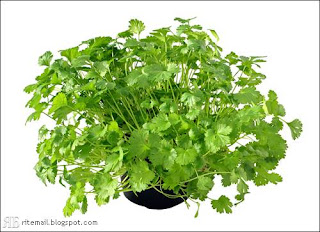
03. CORIANDER (CILANTRO)
Coriander, or dhanyaka as it is referred to in Ayurveda, is a common culinary spice in both Asian and Latin cuisine. The fresh leaves are called cilantro, while the ground seeds are called coriander. Both contain natural anti-inflammatory and analgesic properties.

The herb is used in Ayurveda to treat indigestion, irritable bowel syndrome, fevers, respiratory infections and allergies. It is also a natural chelating agent, and has been used to help remove heavy metals from the body.


04. GARLIC
Garlic is revered by both chefs and herbalists alike. The Ayurvedic name for the herb is Lasuna. It is a prolific bulb that is used for a number of purposes. It is naturally antiviral, antifungal and antibacterial. It has been shown to be effective against the common cold and flu, and help enhance immune function.

It is used in both holistic and conventional medical circles to protect against heart disease and lower cholesterol. Garlic is a must-have for the home medicine cabinet.


05. GINGER
Ginger, or shunti, is another versatile herbal remedy that doubles as a cooking spice. The root, or rhizome, is used to treat anything from benign conditions such as indigestion and nausea to more serious chronic problems such as arthritis and migraines. It is easily made into and herbal tea and makes a great home remedy tohave on hand.


06. GYMNEMIA SYLVESTRE
Shardunikagurmar, or more commonly, gymnema, is one Ayurvedic herb which has undergone extensive study. It has been found to be effective in treating and preventing type II diabetes because it appears to help control blood sugar levels. It can be used as a natural sweetener, or taken in capsule form.

Top 8 Ayurvedic Herbs_

Wednesday, 10 August 2011


Skittles & Jellybeans
Foods Made With Disgusting Ingredients Seen On www.dil-ki-dunya.tk
Made from crushed insect cocoons known as 'shellac,' which is used to coat foods and give them that special shine.

Vanilla Ice Cream
Foods Made With Disgusting Ingredients Seen On www.dil-ki-dunya.tk
Castoreum, otherwise known as anal secretions mixed with urine from a BEAVER, is a common FDA approved food additive found commonly in vanilla & raspberry flavoring… as well as perfume.

Sugar
Foods Made With Disgusting Ingredients Seen On  www.dil-ki-dunya.tk
Made from charred animal bones, bone char. Bone char is used to filter and decolorize the raw sugar.

Jell-O
Foods Made With Disgusting Ingredients Seen On www.dil-ki-dunya.tk
Made from collagen, which is boiled connective tissue found in animals.

Wendy's Chili
Foods Made With Disgusting Ingredients Seen On www.dil-ki-dunya.tk
Made from day-old hamburgers and silicon dioxide… or as you might remember from chemistry class, SAND.

Gum
Foods Made With Disgusting Ingredients Seen On www.dil-ki-dunya.tk
Often made with Lanolin, otherwise known as 'sheep secretions,' in order to soften the gum mix.

Anything red/pink you've been eating
Foods Made With Disgusting Ingredients Seen On www.dil-ki-dunya.tk
The red coloring is achieved by using crushed, boiled red insects. The finished product is known as 'carmine.'

Shredded Cheese
Foods Made With Disgusting Ingredients Seen On www.dil-ki-dunya.tk
Cellulose, which is basically sawdust, is used to keep the shreds from clumping together.

Bread
Foods Made With Disgusting Ingredients Seen On www.dil-ki-dunya.tk
Many commercial breads include a dough softening agent known as L-Cyesteine, made from human hair.

Any processed chicken you've been eating
Foods Made With Disgusting Ingredients Seen On www.dil-ki-dunya.tk
Always remember that this is what that 'meat' is.

Foods Made With Disgusting Ingredients

Thursday, 21 April 2011

How to Make a Chocolate Ice Cream Cup Using Balloons

Tuesday, 15 March 2011

As any good Entomophage (eater of insects) knows, these twelve bugs are more than just pests... they're what's for dinner! In many cases people started eating these insects out of necessity, but these days they've become a delicacy. Read on to discover twelve insects that can be quite tasty.

Casu Marzu
Delicious Edible Insects Seen On www.dil-ki-dunya.tk
In Sardinia, Italy, they eat a type of sheep's milk cheese called Casu Marzu that is known to be crawling with insect larvae. This soft cheese has been fermented so long that it has actually begun to decompose, inviting the development of insect larvae that look like tiny translucent worms on the surface of the cheese. Some people remove the larvae before eating the cheese, but others eat it all, maggots and all.


Oven-Baked Tarantula

Delicious Edible Insects Seen On www.dil-ki-dunya.tk
A unique Cambodian delicacy, tarantulas were originally consumed only during plagues but have since become standard fare. Tarantulas come pre-baked – simply remove fangs, warm, and serve.

Note: As our reader Harold points out, Tarantulas are actually arthropods, not insects. Still, we wouldn't want to eat one!


Scorpion Sucker

Delicious Edible Insects Seen On www.dil-ki-dunya.tk
These harmless California scorpions are encased in a delicious candy coating. According to the listing, scorpions are a major food source in many parts of the world, so sucking on a scorpion lollipop shouldn't gross you out. No, not at all.


Termites

Delicious Edible Insects Seen On www.dil-ki-dunya.tk
In Africa and parts of Indonesia, eating Termites is a way of life. Collected at the start of the rainy season when other sources of protein are scarce, termites are best eaten after being slightly roasted.


Pregnant Crickets

Delicious Edible Insects Seen On www.dil-ki-dunya.tk
In the northeast area of Thailand, crickets laden with eggs are considered a tasty snack. These crickets are caught and flash-frozen in the wild then cleaned, cooked, and lightly salted. You can buy a bag of ready-to-eat pregnant crickets for less than $6.00.


Larvets Worm Snacks

Delicious Edible Insects Seen On www.dil-ki-dunya.tk
These crunchy worms are baked and come in a variety of flavors including BBQ, Cheddar Cheese, and Mexican Spice. (Buy it here | Photo)


Giant Water Beetles

Delicious Edible Insects Seen On www.dil-ki-dunya.tk
In Thailand, these beetles are de-shelled and then eaten either fried or roasted. Their taste is described as being similar to scallops.


Tequila Worm Lollipop

Delicious Edible Insects Seen On www.dil-ki-dunya.tk
Now you can enjoy the taste of Tequila without all that pesky nudity and reckless behavior. Just suck on one of these sugar-free, Tequila-flavored lollipops, complete with an edible worm inside each pop. How many licks does it take to get to the worm? You tell us.


Weaver Ants Eggs

Delicious Edible Insects Seen On www.dil-ki-dunya.tk
Weaver ants eggs can be collected for only one month per year in Thailand, and collecting the eggs is a time-consuming and often painful task. These eggs are described as being large and squishy, and they need to be cooked thoroughly before eating them on your salad or tortilla chips.


Chocolate-Covered Giant Ants

Delicious Edible Insects Seen On www.dil-ki-dunya.tk
These Giant Queen Leafcutter ants are bathed in decadent Belgian chocolate. Their taste is described as “nutty” and they are said to boost the immune system and give those who eat them extra energy.


Witchetty Grubs

Delicious Edible Insects Seen On www.dil-ki-dunya.tk
These large, white, wood-eating moth or beetle larvae are a staple in Aboriginal diets in Australia. Grubs are high in protein and edible either raw or lightly seared over fire coals.


Spicy Giant Bug Paste

Delicious Edible Insects Seen On www.dil-ki-dunya.tk

Love spicy foods? This is the product for you! This dipping sauce contains crushed Giant Waterbugs (AKA Giant Scorpions) along with assorted Thai spices and chilis. This paste makes the perfect dipping sauce for tortillas, sticky rice, and all of those other edible insects you love to dip.

Delicious Edible Insects

Categories

Disclaimer

Cool Daily Pics acknowledges that though we try to report accurately, we cannot verify the absolute facts of everything posted. Postings may contain fact, speculation or rumor. We find images from the Web that are believed to belong in the public domain. If any stories or images that appear on the site are in violation of copyright law, please email [dil_ki_dunyaa@yahoo.com] and we will remove the offending information as soon as possible.